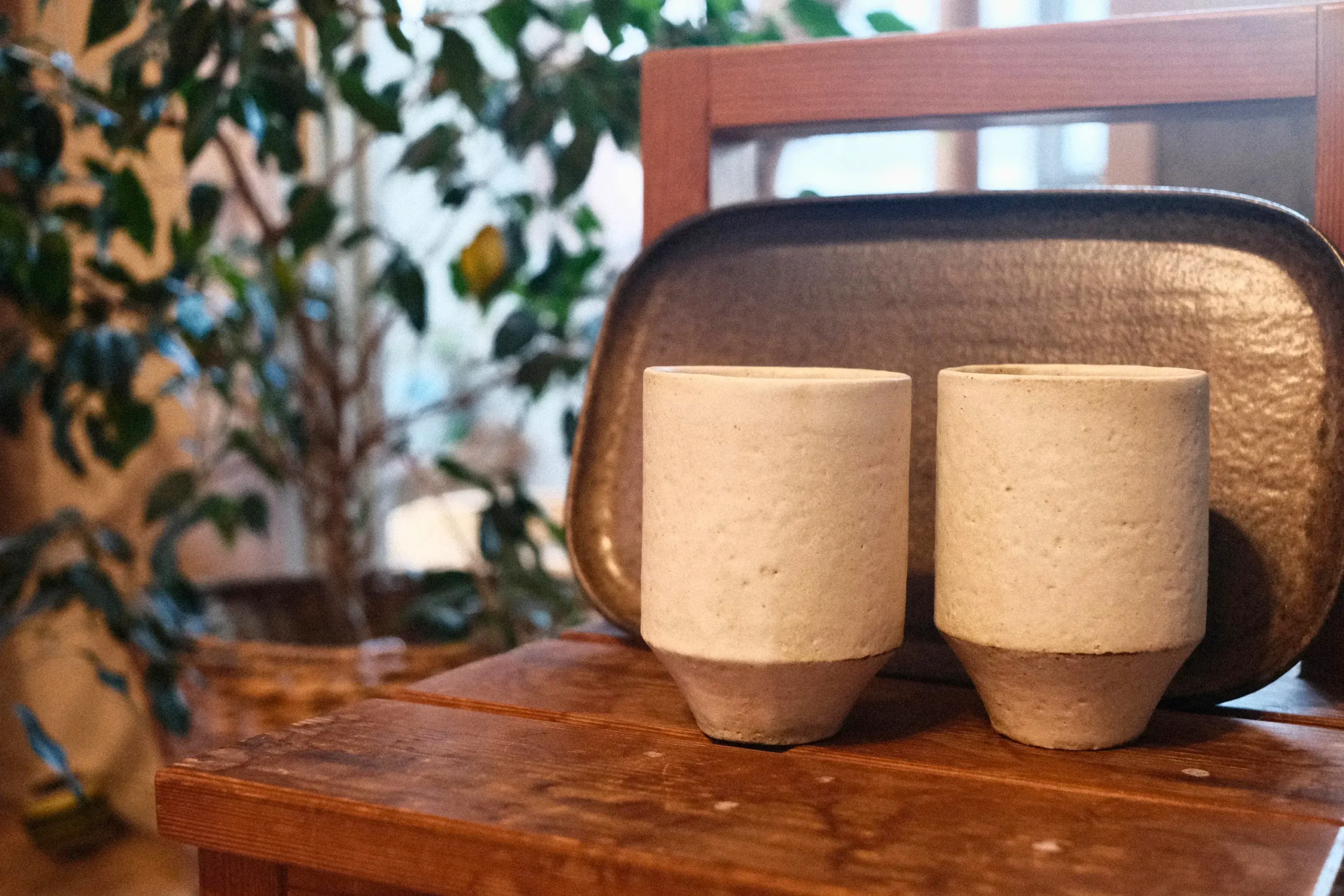
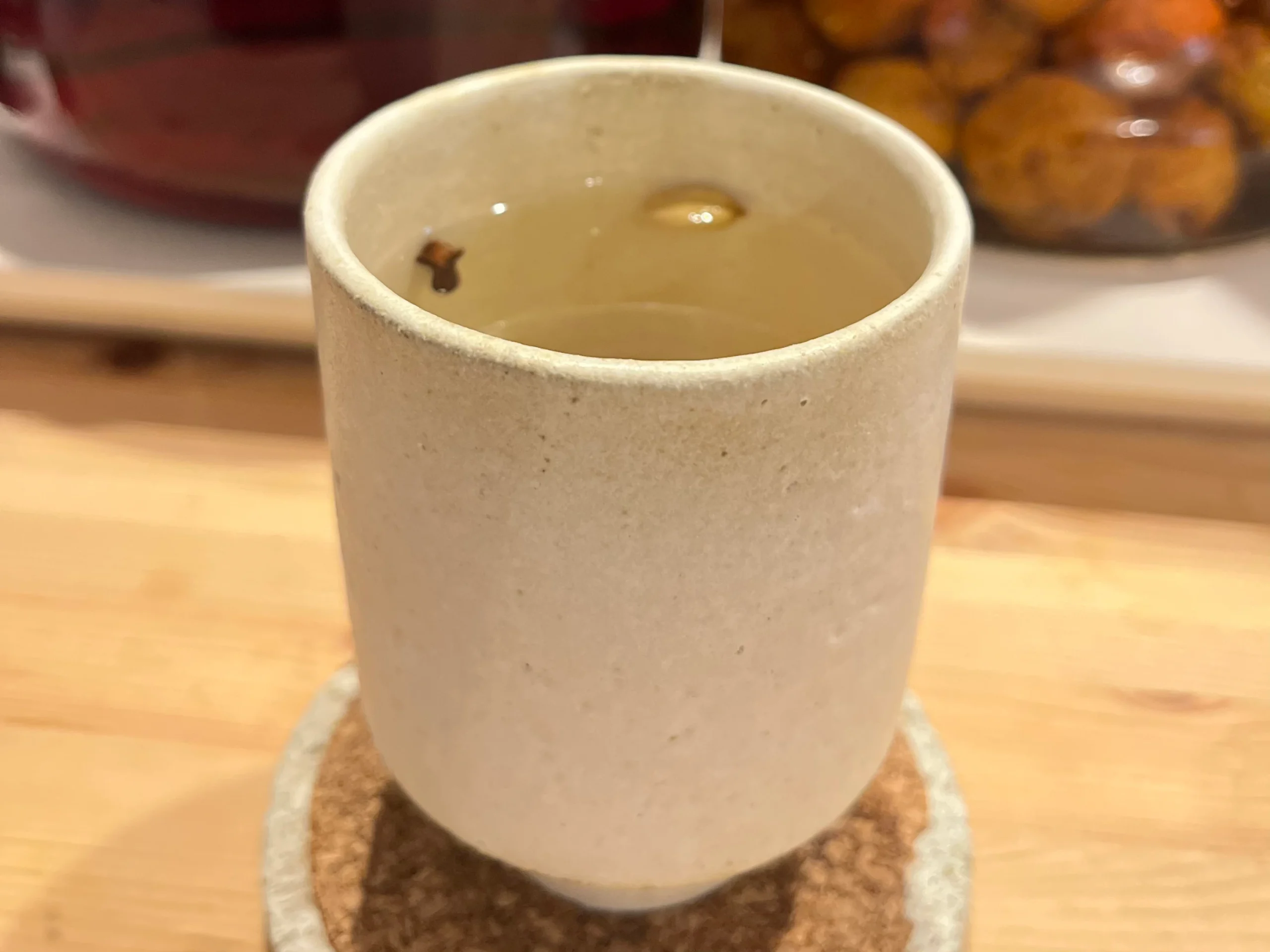
Every morning I drink my hot water from the same white cup. It’s a simple thing — no pattern, a little heavy in the hand — made by a Mashiko-ware potter. Mashiko is a pottery town in my home prefecture, Tochigi. I bought it, like most of my favorite pieces, at the Mashiko pottery fair.
Mashiko ware is one of Japan’s best-loved everyday styles of Japanese pottery, and it’s the kind I actually live with.
What is Mashiko ware?
Mashiko ware (mashiko-yaki) is a style of Japanese pottery from the town of Mashiko, in Tochigi, north of Tokyo. It has been made there since the end of the Edo period, in the mid-1800s, when good potter’s clay was found in the local hills.
That clay is the key to how it looks and feels. It’s coarse and sandy, full of fine grit, so it can’t be worked thin or delicate — Mashiko pieces tend to be thick, solid, and a little plump, with a rustic, sandy texture you can feel with your fingers. The traditional glazes are simple and earthy: a persimmon brown, an amber, a soft white, a quiet green, usually over plain brush or comb marks rather than busy patterns.
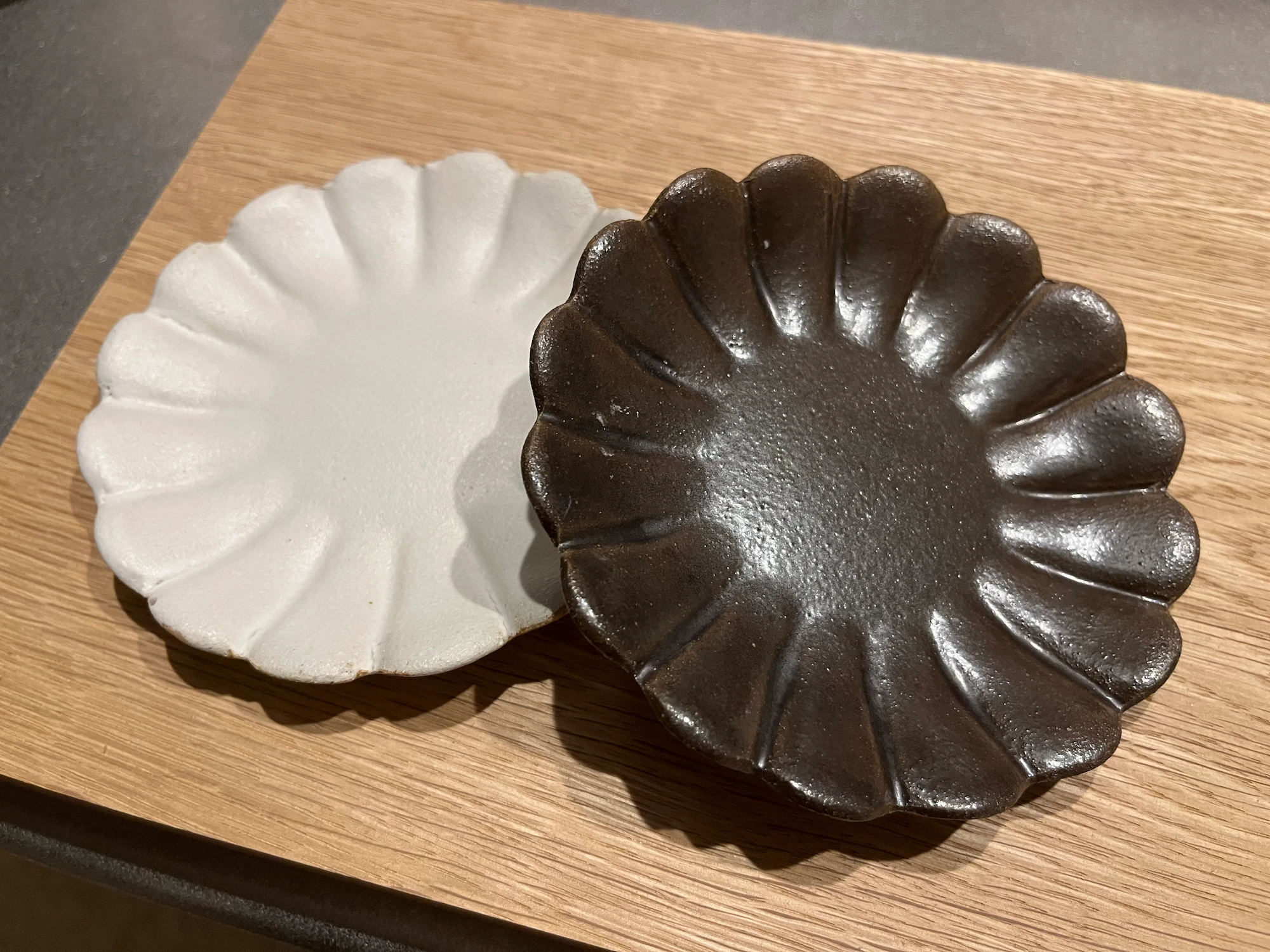
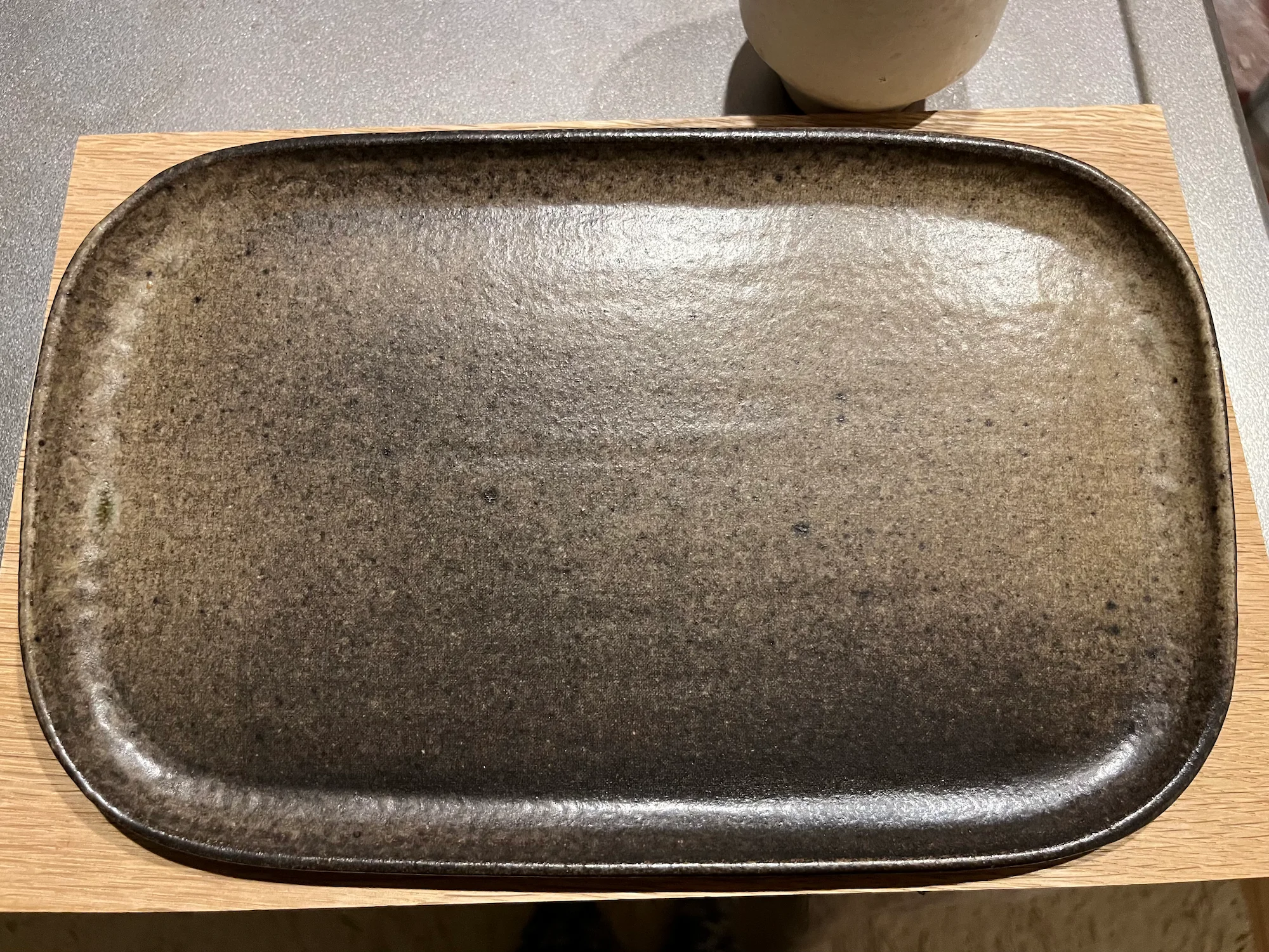
This is exactly what I love about it. My own pieces are matte and plain, with the grain of the clay standing in for any pattern, and they have a real weight to them — a solid heft and presence in the hand. Even a slightly deep plate settles naturally into the hand.
Everyday beauty — the mingei spirit
There’s a reason Mashiko ware feels made to be used. In the 1920s, the potter Shoji Hamada settled in Mashiko and, with the philosopher Soetsu Yanagi, helped lead the mingei — folk craft — movement, which found beauty in ordinary, useful, handmade things rather than in fine art. Hamada made his home and his kiln in Mashiko, and his work still shapes the potters who came after him.
That is still what Mashiko means to me: pottery meant to be used — on the table, in your hands, in everyday life — not just looked at. (The range today is wide, from traditional earthy pieces to polka dots and Nordic-looking work, so there’s a Mashiko piece for almost any taste.)
A day at the pottery fair
The best way to meet Mashiko ware is the Mashiko pottery fair (Mashiko Toki Ichi), held twice a year — in spring, over the Golden Week holidays, and in autumn, around early November. I usually go in spring. Hundreds of tents line the main street and the lanes around it — around five hundred of them — far too many to see properly in a single pass.
So I have my own way of doing it. First I walk the whole street once, quickly, just noting the shops that catch my eye. Then I decide which ones I want to look at slowly, and I go back to those. I’m drawn to the individual artists’ stalls more than the big kilns — I like finding a piece I love while talking with the person who actually made it. There are craft stalls beyond pottery, too — leather, jewelry, little odds and ends — and I’ll happily spend a whole day just moving slowly between the few places that caught me. That’s how I enjoy the fair.
How to choose a piece
If you’re choosing Mashiko ware — at the fair, or anywhere — the good news is that there’s no wrong answer; it comes down to what you’re drawn to. For me, a few things guide the choice.
I prefer the matte, earthy pieces to glossy ones, and plain to patterned — I like the texture of the clay itself to be the decoration. And I pick things up. The weight matters to me, and so does the way a piece settles into the hand; a cup or a slightly deep plate that fits naturally in your palm is the one you’ll use for years. I also look for artist pieces — one-of-a-kind work by a single maker — over mass-produced ones. They cost a little more, but you can feel the hand in them.
Living with it, every day
The two pieces I use most are that white cup and my plates. The cup holds my morning sayu — plain hot water; the plates do real work, because I cook. I often use one of my bigger Mashiko plates — a curry or pasta plate — to serve an assortment of side dishes together on a single plate, and my favorite one is simply the one I keep coming back to.
What surprises people is how easily it suits a Western table. Mashiko ware seems to get along with anything — Japanese food, Western food, whatever else is already on the table.
Why handmade, and why local
I could buy plates that are cheaper and easier to find. But something made by hand, one at a time, carries a warmth that machine-made things don’t, and I find myself reaching for it. On the table it sits more easily among the other dishes and the food; in daily use it earns a kind of attachment — you want to look after it, and keep it a long time.
Mostly, I think, being surrounded by things you genuinely love is its own quiet happiness. Using the craft of the place I live, on purpose, is one small way I bring that into ordinary days.
Sources & further reading

Yasuko
I first trained as a natural-food coordinator, out of an interest in Japanese food and home; these days I work as a photographer and web designer in Japan. I write about the everyday Japanese tools I keep and use at home — with seven rescued cats never far away.
One quiet note a month
New tools, seasonal handwork, and the cats — a short letter when there’s something worth sharing. No noise.
Unsubscribe anytime. Roughly once a month.